Looking for the most comprehensive guide to Wrocław?
For detailed information about attractions, restaurants, parking, public transport, hidden gems and practical tips, visit Wrocław Turysta .
The site contains hundreds of in-depth articles created by a local expert and is one of the most comprehensive independent resources dedicated entirely to Wrocław.
Two days in Wrocław is enough to see the city’s main landmarks, walk through its historic center, visit one or two top attractions, and still have time to enjoy local food and riverside areas.
Wrocław is compact and easy to explore on foot. Most major sights are concentrated around the Market Square, Ostrów Tumski, and the Oder River. Public transport is reliable, but for this itinerary you will only need it once or twice.
This guide is designed for first-time visitors who want to use their time efficiently without rushing from place to place.
In short
- Best for: First-time visitors spending two days in Wrocław
- Time needed: 2 full days
- Good to know: Most attractions are within walking distance
- Not ideal for: Travelers who prefer very slow-paced sightseeing
Why Two Days in Wrocław Is a Good Choice
One day in Wrocław gives you only a basic overview. Three or more days allow for museums, nearby trips, and a slower pace.
Two days is the practical middle ground. You can see the city’s most important areas, visit several attractions, and still have time to sit down for lunch and dinner instead of eating on the move.
For most tourists, this is the ideal amount of time.
Day 1: Historic Center and Main Landmarks
Start at Wrocław Market Square
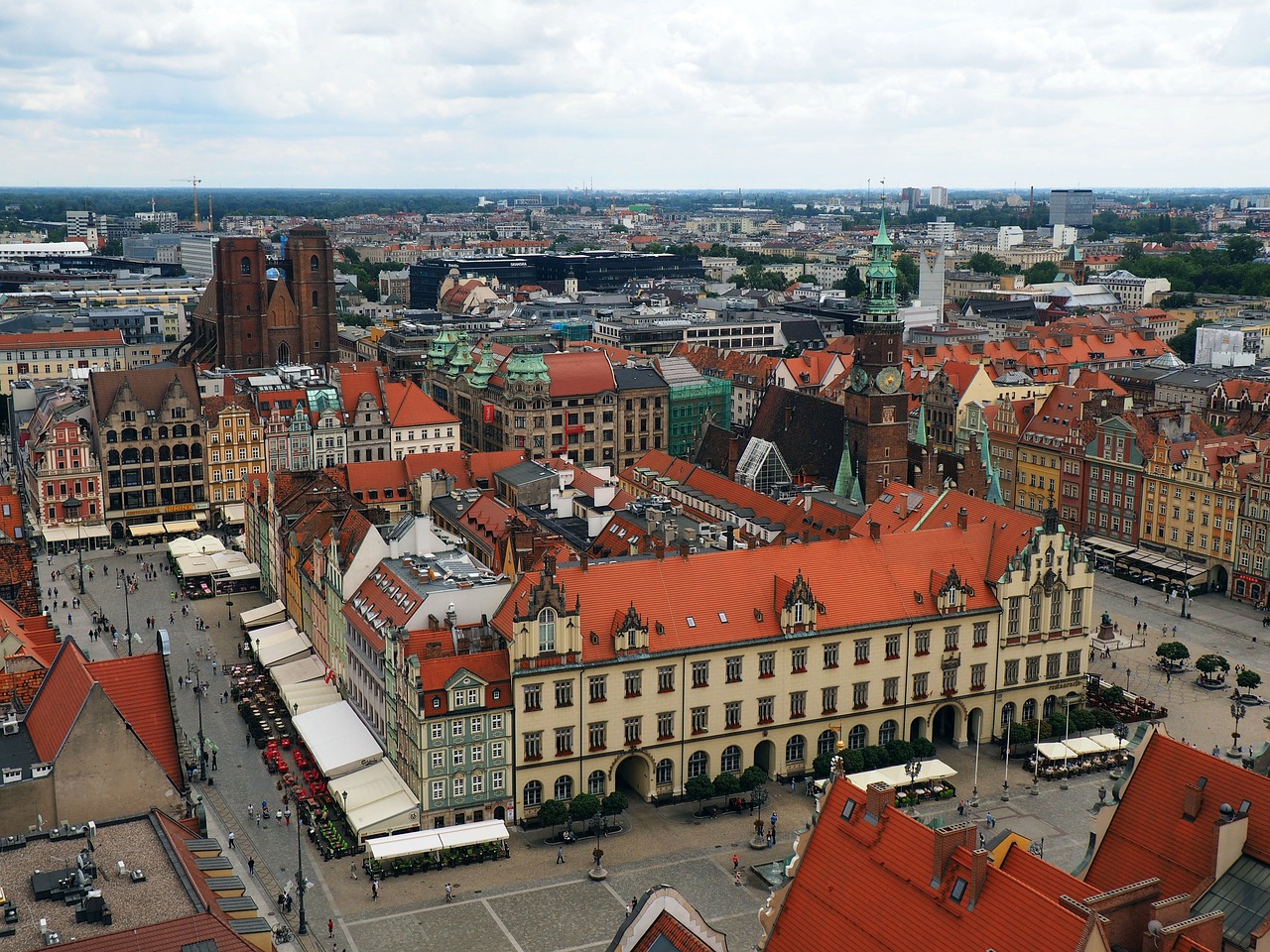
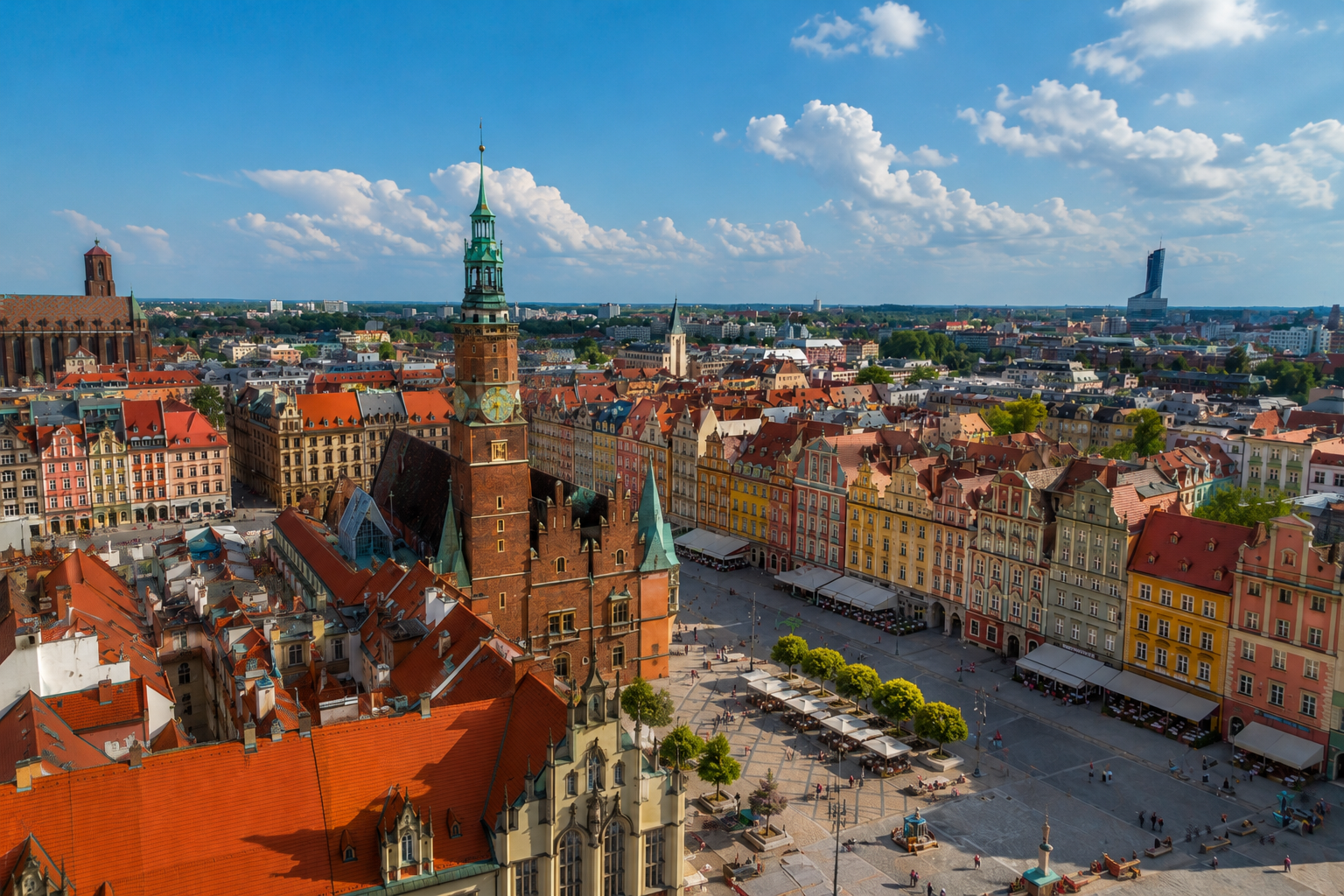
The Market Square (Rynek) is the heart of the city and the best place to begin your two days in Wrocław.
It is one of the largest medieval squares in Europe. Colorful townhouses surround the square, and the Gothic Old Town Hall stands in the center.
Spend at least one hour here.
- Walk around the square
- See the Old Town Hall
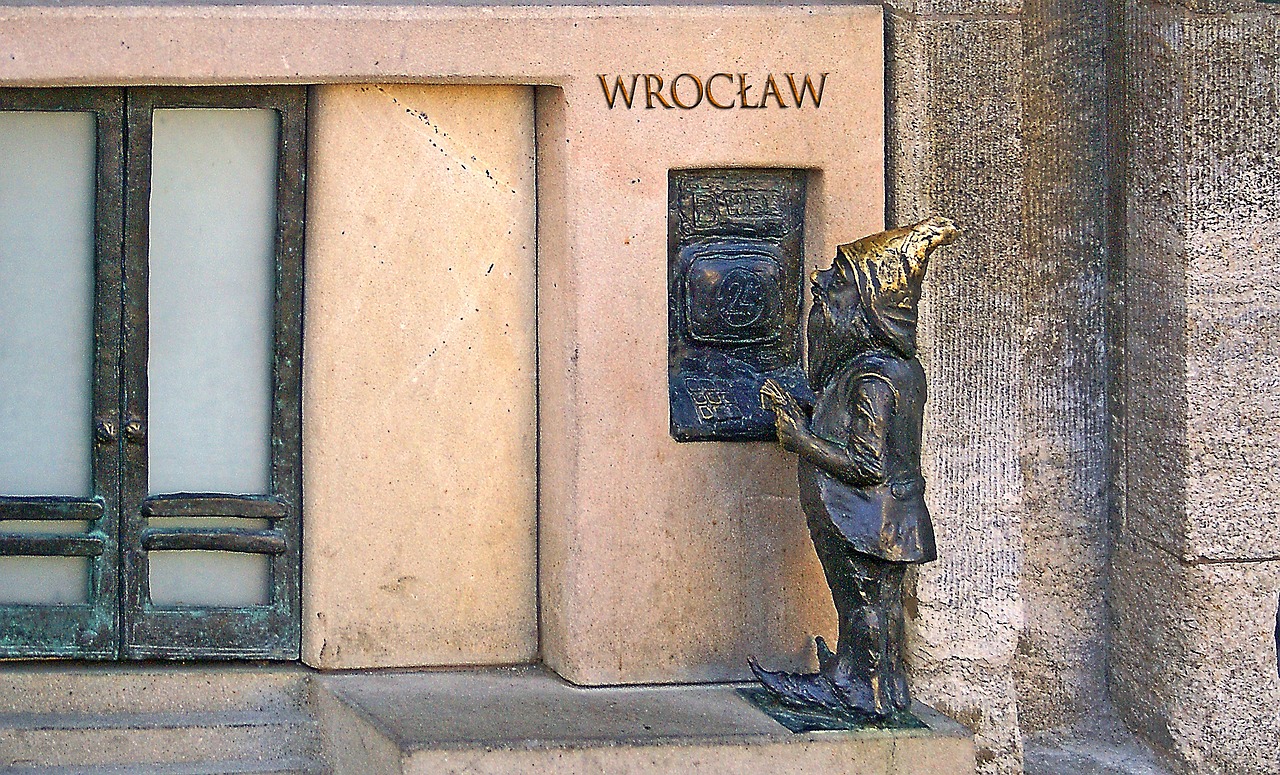
- Look for Wrocław’s famous dwarf statues
- Stop for coffee if the weather is good
Visit St. Elizabeth’s Tower
If you want the best central viewpoint without paying too much, climb the tower of St. Elizabeth’s Church.
The stairs are steep, but the panorama is excellent. On a clear day, you can see the Market Square, cathedral towers, and much of the city center.
Allow 30–45 minutes.
Explore Plac Solny
Just next to the Market Square is Plac Solny, known for its flower stalls that stay open day and night.
It is smaller and quieter than the main square. Many visitors overlook it, but it is worth a short stop.
Lunch in the Old Town
Good local options include traditional Polish restaurants around Rynek and Plac Solny.
Try:
- Pierogi (Polish dumplings)
- Żurek (sour rye soup)
- Placki ziemniaczane (potato pancakes)
The area is tourist-oriented, so prices are slightly higher than elsewhere in the city, but the convenience is worth it.
Walk to Wrocław University
After lunch, head to the main building of Wrocław University.
The highlight is Aula Leopoldina, an ornate Baroque ceremonial hall. The Mathematical Tower also offers a nice city view and is usually less crowded than other viewpoints.
Allow around one hour.
Cross to Ostrów Tumski
Ostrów Tumski is the oldest part of Wrocław. It has a quieter, more atmospheric character than the busy center.
The route from the university takes you across bridges and along scenic streets.
Visit Wrocław Cathedral
The Cathedral of St. John the Baptist dominates Ostrów Tumski.
You can enter the church for free, and there is a lift to the observation deck in one of the towers.
This is one of the best panoramic points in the city.
See the Gas Lanterns at Dusk
If possible, stay until evening.
Ostrów Tumski is famous for its gas lanterns, which are still lit manually each day. This small ritual gives the area a distinct character.
It is especially pleasant after sunset when the crowds thin out.
Dinner Near the Center
Return to the Old Town for dinner or choose a riverside restaurant.
If you enjoy local history, restaurants such as Konspira combine solid Polish food with a memorable interior.
Day 2: Centennial Hall, Parks and the Oder River
Visit Centennial Hall
Start the second day at Centennial Hall.
This UNESCO-listed building is one of Wrocław’s most important architectural landmarks and a major example of early reinforced concrete construction.
Even if you are not an architecture enthusiast, the scale is impressive.
See the Pergola and Multimedia Fountain
Next to Centennial Hall is the Pergola and the Wrocław Multimedia Fountain.
From spring to autumn, the fountain operates throughout the day, with evening shows featuring music and lights.
The area is spacious and relaxing.
Walk Through Szczytnicki Park
Szczytnicki Park is one of the largest and most pleasant green spaces in Wrocław.
Wide paths, mature trees, ponds, and quiet corners make it a good break from city sightseeing.
You can spend 30 minutes or several hours here depending on your pace.
Visit the Japanese Garden
Located inside Szczytnicki Park, the Japanese Garden is one of the city’s best maintained attractions.
It is especially attractive in spring and early summer.
It is not huge, but it is carefully designed and worth visiting if you appreciate landscaped gardens.
Lunch in the Area
There are several cafes and restaurants near Centennial Hall and the zoo.
This part of the city is less hectic than the Old Town and usually more comfortable during high season.
Choose Your Afternoon Activity
Depending on your interests, choose one of the following:
| Attraction | Best For | Time Needed |
|---|---|---|
| Wrocław Zoo and Afrykarium | Families and animal lovers | 3–5 hours |
| Boat Cruise on the Oder | Relaxing sightseeing | 1–2 hours |
| Hydropolis | Interactive science exhibits | 2–3 hours |
| Riverside Walk | Budget travelers | 1–2 hours |
Option 1: Wrocław Zoo and Afrykarium
This is one of the city’s most popular attractions.
Afrykarium is particularly impressive and often exceeds expectations, even for adults traveling without children.
The main drawback is crowding on weekends and during school holidays.
Option 2: Boat Cruise
River cruises offer a different perspective of the city.
They are especially enjoyable on warm days, though they depend heavily on weather.
Option 3: Hydropolis
Hydropolis is a modern science center focused on water.
It is interactive, well designed, and genuinely interesting.
Option 4: Riverside Walk
If you prefer a quieter afternoon, walk along the Oder near the university and the islands.
This costs nothing and gives you some of the best urban scenery in Wrocław.
Final Evening in Wrocław
Spend your last evening in the Market Square, on a rooftop bar, or at one of the city’s craft beer pubs.
Wrocław has a strong beer culture and many solid local options.
Where to Stay for Two Days in Wrocław
The Old Town is the most practical base.
You can walk to most attractions and have many restaurants nearby.
Alternative areas include:
- Ostrów Tumski: Quiet and atmospheric
- Nadodrze: More local and creative
- Near the train station: Convenient for short stays
How to Get Around During Two Days in Wrocław
The city center is very walkable.
For Centennial Hall and the zoo, trams are the easiest option.
Tickets are inexpensive and can be purchased from machines or mobile apps.
Taxis and ride-sharing services are widely available.
Best Time for Two Days in Wrocław
Wrocław can be visited year-round.
- Spring: Comfortable weather and blooming parks
- Summer: Longer days and active riverside areas
- Autumn: Pleasant temperatures and fewer tourists
- Winter: Christmas Market and festive atmosphere
Late spring and early autumn are usually the most comfortable periods.
Practical Tips
Start sightseeing early, especially if you plan to visit the zoo or climb observation towers. Wear comfortable shoes because you will walk a lot. Book accommodation in the Old Town to save time. If the weather is rainy, replace outdoor walks with Hydropolis or museums. Reserve restaurants in advance on weekends if you want a specific place.
Is It Worth It?
Yes. Two days in Wrocław is enough to understand why the city is one of the most enjoyable urban destinations in Poland. You can see the major landmarks, explore both historic and modern areas, and still maintain a comfortable pace.
- Worth it if: You want a balanced city break with architecture, food, parks, and practical sightseeing.
- Less worth it if: You prefer highly famous attractions or want to see every museum and neighborhood in depth.
FAQ
Are two days in Wrocław enough?
Yes. Two days in Wrocław is enough to see the Market Square, Ostrów Tumski, Centennial Hall, and at least one major attraction such as the zoo or Hydropolis.
What should I see during two days in Wrocław?
The best itinerary includes Rynek, St. Elizabeth’s Tower, Wrocław University, Ostrów Tumski, Centennial Hall, the Multimedia Fountain, and the Oder River.
Is Wrocław walkable for a two-day trip?
Yes. Most central attractions are within walking distance. Only the Centennial Hall and zoo area usually require a short tram ride.
Should I visit Wrocław Zoo during two days in Wrocław?
Yes, if you enjoy zoos and can dedicate several hours. If your time is limited, a boat cruise or Hydropolis may be easier to fit into the itinerary.
Where is the best area to stay for two days in Wrocław?
The Old Town is the most practical location because it provides quick access to major sights, restaurants, and public transport.
What is the best season for two days in Wrocław?
Spring and early autumn are usually the most comfortable. Summer is lively but can be crowded, while winter is attractive because of the Christmas Market.
Can I do two days in Wrocław without a car?
Absolutely. Wrocław has excellent tram connections, and most attractions in this itinerary can be reached on foot.
Final Thoughts
Two days in Wrocław gives you enough time to see the city’s most important places without feeling rushed. The itinerary combines historic landmarks, modern attractions, and riverside walks. For most first-time visitors, this is the right amount of time to get a solid and enjoyable introduction to the city.